14.05.2026
From Gastritis to the Gut-Brain Axis: The Revolution in Gastroenterology and the Coming Decade
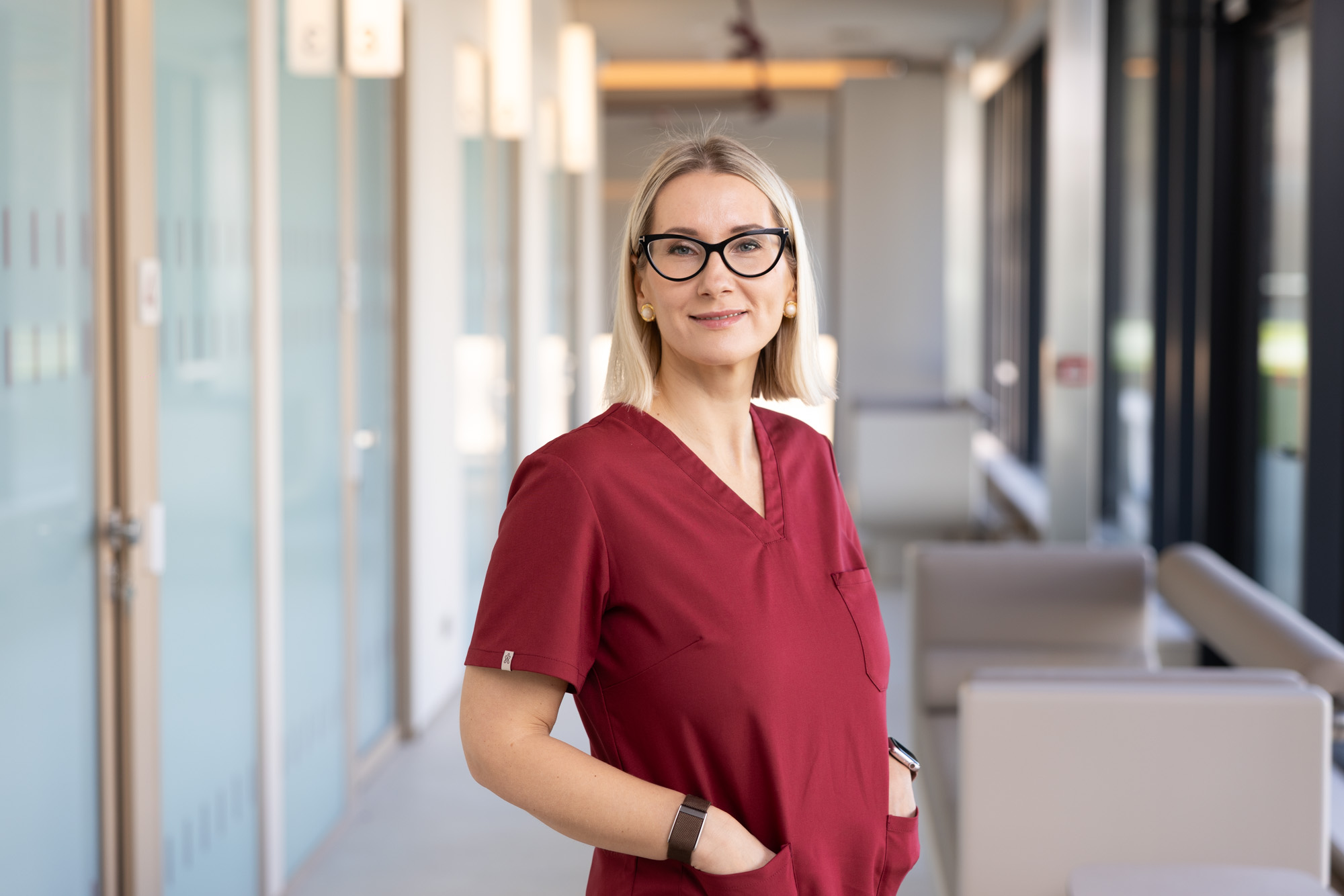
Fifteen years ago, when we began our professional careers in gastroenterology, our view of digestive system diseases was significantly more linear and based largely on the classical diagnostic paradigm. Our daily professional practice consisted mainly of gastritis, reflux, peptic ulcers, dyspepsia, occasionally inflammatory bowel diseases, and, of course, endoscopy was the primary diagnostic tool. Clinical practice was dominated by a focus on objectively verifiable findings—histology, laboratory parameters, and traditional, linear diagnostic algorithms—which at the time seemed sufficient to explain the patient’s symptoms.
In the context of modern knowledge and clinical experience, this approach seems limited and no longer reflects the true complexity of gastroenterology. Not because it was wrong, but because gastroenterology has progressed. It has grown into a specialty that can no longer exist in isolation. It has become one of the central fields of medicine, connecting immunity, the nervous system, metabolism, the microbiome, oncology, mental health, and the processes of aging.
This article is not intended merely as a chronological list of achievements; it is my attempt to share a personal perspective on how the development of gastroenterology has transformed my thinking as a physician and in which direction, in my opinion, this field will evolve over the next decade.
Gastroenterology 10–15 Years Ago
Ten years ago, gastroenterology was largely based on structural thinking. The clinical focus was on identifying organic changes—erosions, signs of inflammation, ulcers, strictures, or tumors. If the pathology was visible, the diagnosis seemed clear; if no objective findings were detected, diagnostic uncertainty set in, affecting both the physician and the patient alike.
Functional disorders were often trivialized at the time, viewed as secondary or “less significant,” frequently reduced to the consequences of stress or lifestyle, without a clearly defined, evidence-based therapeutic strategy. The gut microbiome existed primarily in academic discourse, not yet integrated into everyday clinical decision-making, while endoscopy was viewed primarily as a diagnostic tool rather than an active therapeutic platform.
At the same time, it was precisely this structured, seemingly limited approach that served as a stable foundation for further development—without it, the multidimensional evolution of modern gastroenterology would not have been possible.
Inflammatory Bowel Diseases
The field of inflammatory bowel diseases has undergone a significant paradigm shift over the past decade, which can rightly be called a clinical revolution. The development of biologic therapies, the introduction of targeted immunomodulators, “treat-to-target” strategies, and increasingly precise, individualized treatment choices have fundamentally altered the natural course of the disease and the long-term prognosis.
Patients who were previously subject to repeated hospitalizations, a high risk of surgical intervention, and premature disability are now increasingly able to lead fulfilling, socially active lives—working, starting families, and planning for the future with stable prospects.
This development has significantly transformed the role of the gastroenterologist—the physician has become a long-term partner to the patient. This involves not only controlling inflammatory activity but also assessing infection risk, vaccination strategies, pregnancy planning issues, oncological vigilance, and maintaining the patient’s psychological well-being in the long term.
The specialized IBD clinic at Paula Stradiņa Clinical University Hospital has played an indispensable role in the development of inflammatory bowel disease care in Latvia. This environment has become not only a center for high-quality patient care but also a significant platform for the transfer of knowledge and experience —a place where new residents learn modern, evidence-based IBD patient care and where colleagues from other medical institutions have the opportunity to consult with field experts on complex clinical decision-making.
Specialized nurses play a crucial and often underappreciated role in the care of IZS patients, as their professional competence extends far beyond a technical support function. It is precisely these specialists who ensure continuity of care, patient education, adherence promotion, early recognition of side effects, and practical support in everyday situations, becoming a stable pillar for the patient in the long-term management of chronic disease.
Advances in Endoscopy
Modern gastrointestinal endoscopy is no longer limited to merely visualizing the mucosa and documenting pathology. It has become a dynamic, highly specialized, and therapeutically oriented discipline situated at the intersection of classical diagnostics and surgery. High-resolution imaging, digital color and spectral technologies, artificial intelligence algorithms for the detection of polyps and early neoplasms, as well as technically complex methods such as endoscopic submucosal dissection, have significantly expanded the endoscopist’s capabilities and scope of responsibility. Today, the endoscopist is increasingly becoming a minimally invasive surgeon capable not only of diagnosing but also of radically treating even early malignant processes, avoiding extensive surgery and preserving organ function.
This development requires not only a high level of technical skill and continuous training, but also a significant shift in mindset. Every decision regarding the extent of resection, every structure left in place or removed, every risk taken or intervention avoided can determine the patient’s future quality of life, the spread of the disease, and the need for subsequent treatment in the coming years. Therefore, the modern endoscopist is a strategic thinker who combines knowledge of oncology, pathology, surgery, and long-term patient monitoring and follow-up.
In this context, gastroenterology is increasingly taking a prominent role in oncological care. Today’s gastroenterologist is often the first to recognize the onset of a malignant process even before clinical symptoms appear, taking responsibility not only for diagnosis but also for early, organ-preserving treatment and the patient’s long-term prognosis.
Liver Diseases
While viral hepatitis and its complications dominated the field of hepatology a decade ago, the landscape of liver diseases has changed significantly today. Metabolic liver disease has become the primary clinical challenge, reflecting the consequences of modern society’s lifestyle—obesity, type 2 diabetes, insulin resistance, physical inactivity, and chronic low-grade inflammation. This disease is no longer merely a liver pathology in the narrow sense; it is a systemic condition that affects cardiovascular and oncological risks as well as the patient’s overall life expectancy.
In this context, the gastroenterologist is increasingly becoming an interdisciplinary player. Effective care for metabolic liver diseases requires close and long-term collaboration with endocrinologists, cardiologists, nutritionists, physical therapists, and often psychologists as well, since behavioral change and lifestyle modification are the cornerstones of treatment. Today, the treatment of liver diseases is based on both pharmacology and the early identification of risk factors, structured patient education, and long-term monitoring. Thus, hepatology is becoming an essential component of preventive medicine, where the primary focus is on preventing cirrhosis, hepatocellular carcinoma, and premature mortality.
At the same time, clinical nutrition is gaining increasing importance, where diet can serve as a targeted therapeutic tool. The timely recognition of malnutrition, sarcopenia, and micronutrient deficiencies—especially in the shadow of the GLP-1 medication era—is becoming an integral part of a gastroenterologist’s expertise, directly influencing treatment outcomes and the patient’s quality of life.
Neurogastroenterology
Neurogastroenterology is one of the subspecialties of gastroenterology that has most profoundly and significantly changed the approach to patients and the understanding of disease in general over the past decade. Functional digestive disorders are no longer viewed as diagnoses without objective findings or secondary complaints without a clear physiological basis. They are recognized as complex disorders of the gut-brain axis, involving the interplay of central and peripheral nervous system mechanisms, autonomic regulation, the microbiota, modulation of the immune response, and psychosocial factors. This understanding has allowed functional disorders to evolve from a diagnosis of exclusion into a precisely defined, treatable clinical condition.
In this field, gastroenterologists increasingly work not alone but as part of a multidisciplinary team, collaborating closely with neurologists, psychiatrists, sleep medicine specialists, physical therapists, psychologists, nutritionists, and others. Therapy is no longer limited to medication alone but also includes psychotherapy, rehabilitation, physical therapy, sleep hygiene adjustments, stress management strategies, and targeted work on the patient’s lifestyle. This approach also fundamentally changes the perspective on therapy—the patient is viewed as a dynamic system in which the digestive tract is closely linked to the nervous system, emotional state, and overall health balance, including through the gut microbiota. Neurogastroenterology has become one of the most striking examples of how modern gastroenterology is shifting from fragmented to holistic, patient-centered medicine.
Within this approach, functional proctology has also developed significantly, particularly in the treatment of chronic constipation, defecation dysfunction, and fecal incontinence. Biofeedback therapy, pelvic floor rehabilitation, and close collaboration with physical therapists make it possible to address problems that were previously considered untreatable.
Collaboration as the Foundation of Our Work
Modern gastroenterology can no longer be conceived of as an isolated specialty; it exists and develops only through close, purposeful collaboration with specialists in other fields. In clinical practice, we increasingly encounter situations where the boundaries between specialties are blurring, and patient care requires a collaborative approach. Collaboration with dentists and otolaryngologists is essential in the evaluation of gastroesophageal reflux disease, chronic oral inflammation, and changes in the oral microbiota. Endocrinologists are becoming indispensable partners in cases of metabolic diseases, insulin resistance, thyroid disorders, and other hormonal imbalances that directly affect liver health, intestinal motility, and inflammatory processes, among other things. Neurologists are involved in cases of autonomic nervous system dysfunction, migraines, and chronic pain syndromes, revealing the clinical significance of the gut-brain axis in daily practice. Surgeons are no longer a last resort but equal partners in decision-making, particularly in the planning of treatments for inflammatory bowel diseases, oncology, and minimally invasive procedures. Equally important is collaboration with physical therapists and nutritionists, who have become an integral part of the treatment process, helping to address pelvic floor dysfunction, functional bowel disorders, metabolic diseases, and lifestyle modifications. This multidisciplinary approach not only improves clinical outcomes but also significantly changes the role of the gastroenterologist—from a representative of a narrow specialty to a coordinating, integrating physician on the patient’s long-term health journey.
Gastroenterology in the Next 10 Years
In the coming decade, gastroenterology will inevitably become even more personalized, digital, and prevention-oriented. Artificial intelligence will enter clinical practice not as a replacement, but as a precise, tireless assistant, helping to analyze endoscopic images, interpret large-scale data, predict disease progression, and assess individual responses to initiated therapy. Remote patient monitoring, digital biomarkers, and personalized algorithms will enable the timely detection of changes even before symptoms appear, making gastroenterology one of the cornerstones of precision medicine. The rapid rise of microbiome research is revealing ever-new mechanisms by which gut microorganisms influence inflammation, immunity, metabolism, neurological processes, and even aging, paving the way for targeted microbiome modulation as a therapeutic tool rather than just a theoretical concept. At the same time, it is becoming increasingly clear that technology alone will not suffice. Neither algorithms nor artificial intelligence can replace human presence, empathy, and compassion—the ability to listen and understand a patient’s fears and hopes. In gastroenterology, where diseases are often chronic, complex, and closely linked to quality of life, the doctor-patient relationship is at the heart of therapy. It is precisely this human contact that allows technological progress to become meaningful. The evolution of precision medicine, based on microbiome research, genomics, and data analysis, will only be successful if it is integrated into humane, empathetic care, where the doctor is not merely an interpreter of data but also a companion to the patient on the journey toward long-term health maintenance.
Gastroenterology is increasingly becoming one of the core disciplines of longevity medicine. Gut health, control of chronic inflammation, microbiome balance, and metabolic regulation directly influence aging processes, the preservation of functional capacity, and long-term quality of life.
About the people—doctors, residents, and students
Looking to the future, we cannot fail to mention the people—doctors, residents, and students—who will shape this field tomorrow. Gastroenterology is in critical need of new specialists. We must demonstrate that gastroenterology in Latvia can be a professional environment where it is possible to grow, develop, and maintain inner balance, rather than burn out. An environment where learning takes place horizontally, based on mutual respect, open dialogue, and collaboration among colleagues, rather than within a hierarchical, fear-based structure. Mentors in this environment are not authorities who set strict boundaries, but rather guides—people who encourage independent thinking, asking questions, and making mistakes in a safe, supportive space.
We must recognize that future residents in gastroenterology must not only have an academic or scientific orientation but also a desire to actively engage in clinical practice—with patients, during procedures, and within multidisciplinary teams. Gastroenterology is a practical specialty, and it needs doctors who are willing to work with their hands, think clinically, and take on responsibility. We must also accept the reality that the new generation of doctors will most likely not want to work in the traditional model—five days a week, eight hours a day, without flexibility or options. This means that the current approach to residency planning is becoming misleading: one resident no longer automatically translates to one full-time physician in the future. To ensure a sufficient number of specialists in practice, we need to plan for more residents in this field while creating flexible work models that allow for balancing professional growth with quality of life. Only in this way can gastroenterology become a specialty that young doctors not only enter but also stay in.
In this context, I cannot fail to mention my teachers—Professor Guntars Pupelis, Professor Ivars Siliņš, Dr. Anita Lapiņa, Professor Juris Poktroniks, Professor Aldis Puķītis, Professor Mārcis Lejs, Dr. Ivars Tolmanis, and Dr. Ilze Kikuste. People who not only taught me gastroenterology as a specialty, but also showed me how to be a doctor with clinical thinking, professional courage, and respect for the patient. These were doctors who taught not through authority but by example, who allowed us to ask questions, discuss, and think independently even when the answers were not clear-cut. From them, I learned that medicine is not a set of dogmas, but a living process in which knowledge, experience, and humanity go hand in hand. This experience is the foundation of my conviction that only a safe, supportive, and horizontal learning environment can nurture the next generation of strong gastroenterologists.
I owe a special and very personal debt of gratitude to Professor Aivars Lejnieks, who supervised my doctoral thesis and whose presence on my academic journey was not only professionally significant but also deeply human. He never refused to offer advice, always managed to see and highlight the positive, and encouraged me even in moments when I myself felt that the path was becoming difficult. With an exceptional sense of tact and intellectual sensitivity, the professor very delicately pointed out areas where improvements were needed, while always offering keys and directions on how to achieve this in the best possible way. He inspired me not to be afraid of bolder decisions, encouraged me to “leap into the unknown,” to trust my ideas, and to let them develop. The professor’s intellectual brilliance, his human presence, and his subtle, witty sense of humor have become proof to me that a truly great academic authority can also be deeply human. I am convinced that for everyone who has had the opportunity to encounter Professor Lejnieks’s brilliance in life, it continues and will continue to illuminate their professional path long into the future.
Special thanks are due to Dr. Māris Rēvalds, Director of Health Center 4, who believed in me at a time when I was a doctor who had just completed my residency. He saw potential in me even before I fully realized it myself, gave me the opportunity to develop my ideas and professional skills at Health Center 4, and created an environment where I could grow. It was there that I grew from a young, still-unsure doctor into a mature, confident gastroenterologist with my own perspective and a voice in the specialty. Dr. Rēvalds always welcomed the ideas I brought back from local and international training programs with an open mind, encouraging me to put them into practice and develop them further. He knew how to recognize the spark with which I view gastroenterology, and for nearly eleven years, he helped me preserve and nurture that spark. Dr. Rēvalds sees specialists in his field as individuals with passion and potential, allowing them to shine in all their brilliance, thereby enriching Latvian medicine with motivated, thoughtful, and continuously growing doctors.
Medicina est ars humanitatis.
Medicine is the art of humanity.