Gastroscopy (upper endoscopy)
Upper endoscopy (gastroscopy) is the most accurate examination available, allowing for a detailed view of the inside of the esophagus, stomach, and duodenum to diagnose inflammation, ulcers, polyps, tumors, and other changes in the digestive tract.
Apply for a visit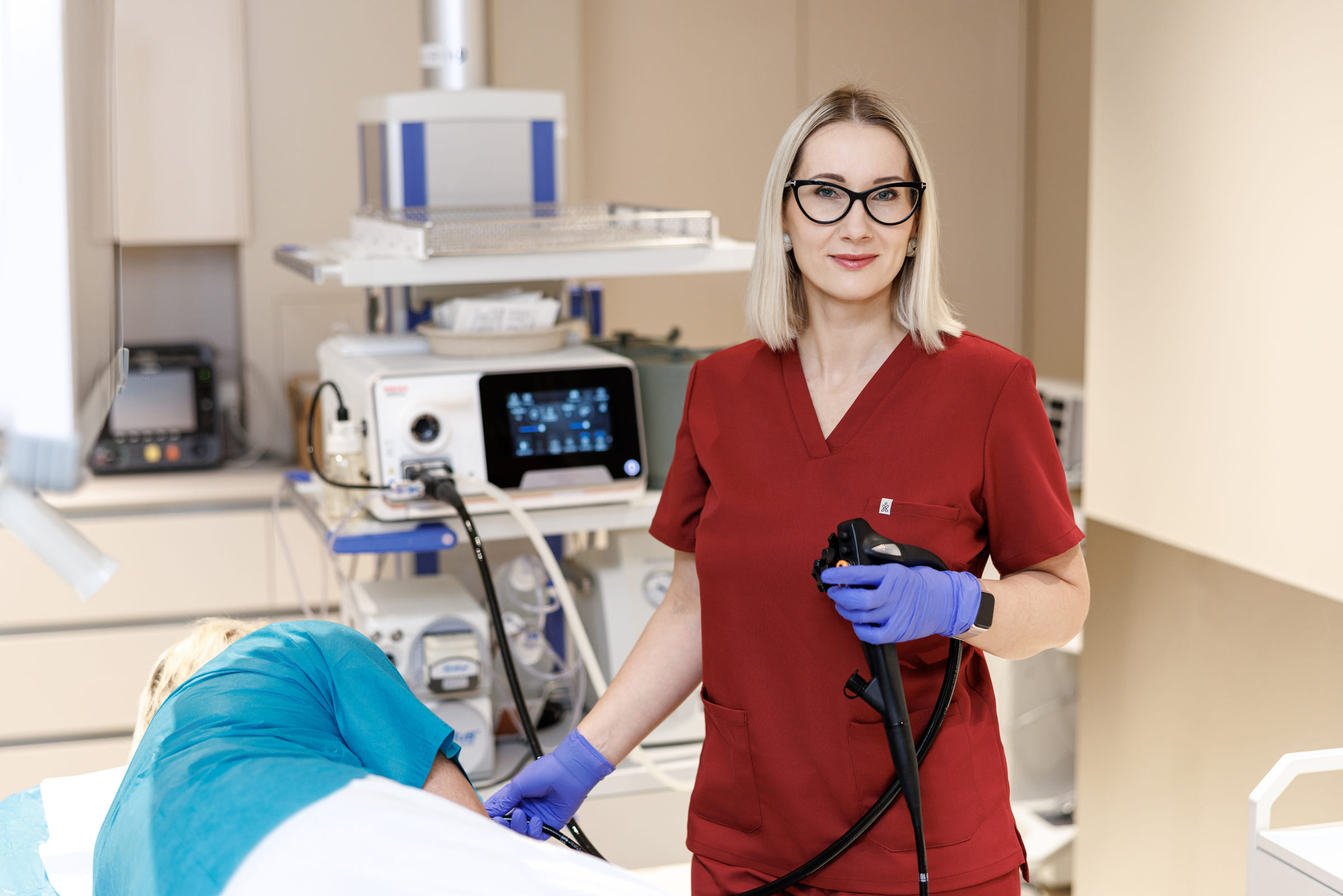
Information
How to prepare
Upper endoscopy (gastroscopy) is the most precise examination that allows for a detailed view of the inside of the esophagus, stomach, and duodenum, enabling the diagnosis of inflammation, ulcers, polyps, tumors, and other changes in the digestive tract. During the examination, the doctor may also perform additional procedures—take a tissue sample (biopsy), remove polyps, or extract swallowed foreign objects. During the examination, the doctor inserts a flexible instrument with high-quality optical magnification through the patient’s mouth into the digestive tract, providing a detailed image that doctors document, save, and analyze after the examination, ensuring the highest diagnostic accuracy.
This examination is typically performed under intravenous sedation, which ensures maximum patient comfort and reduces stress. During sedation, an anesthesiologist administers a short-acting sedative into the patient’s vein, helping the patient feel calm and relaxed during the procedure. Sedation is not general anesthesia—the patient breathes on their own but feels no discomfort and remembers the procedure minimally or not at all. Intravenous sedation makes upper endoscopy a quick, safe, and maximally comfortable procedure that helps obtain an accurate diagnosis and, if necessary, perform therapeutic procedures during a single visit.
During the procedure, the patient’s vital signs are continuously monitored, ensuring the highest level of safety.
The examination usually lasts 10–15 minutes, and afterward, you will need to remain at the clinic for a while until the effects of the sedation wear off. You may go home on the same day after the procedure, but you are not permitted to drive for 12 hours.
How to Prepare for a Gastroscopy
- On the day before the examination, patients may eat easily digestible foods, preferably by 6:00 p.m. After that, only clear, transparent liquids are allowed.
- Regularly taken medications should be taken no later than 6 hours before the examination, with a small sip of water.
- Fluid intake must also be stopped two hours before the examination
- Consult your family doctor or cardiologist regarding the discontinuation of blood-thinning medications.
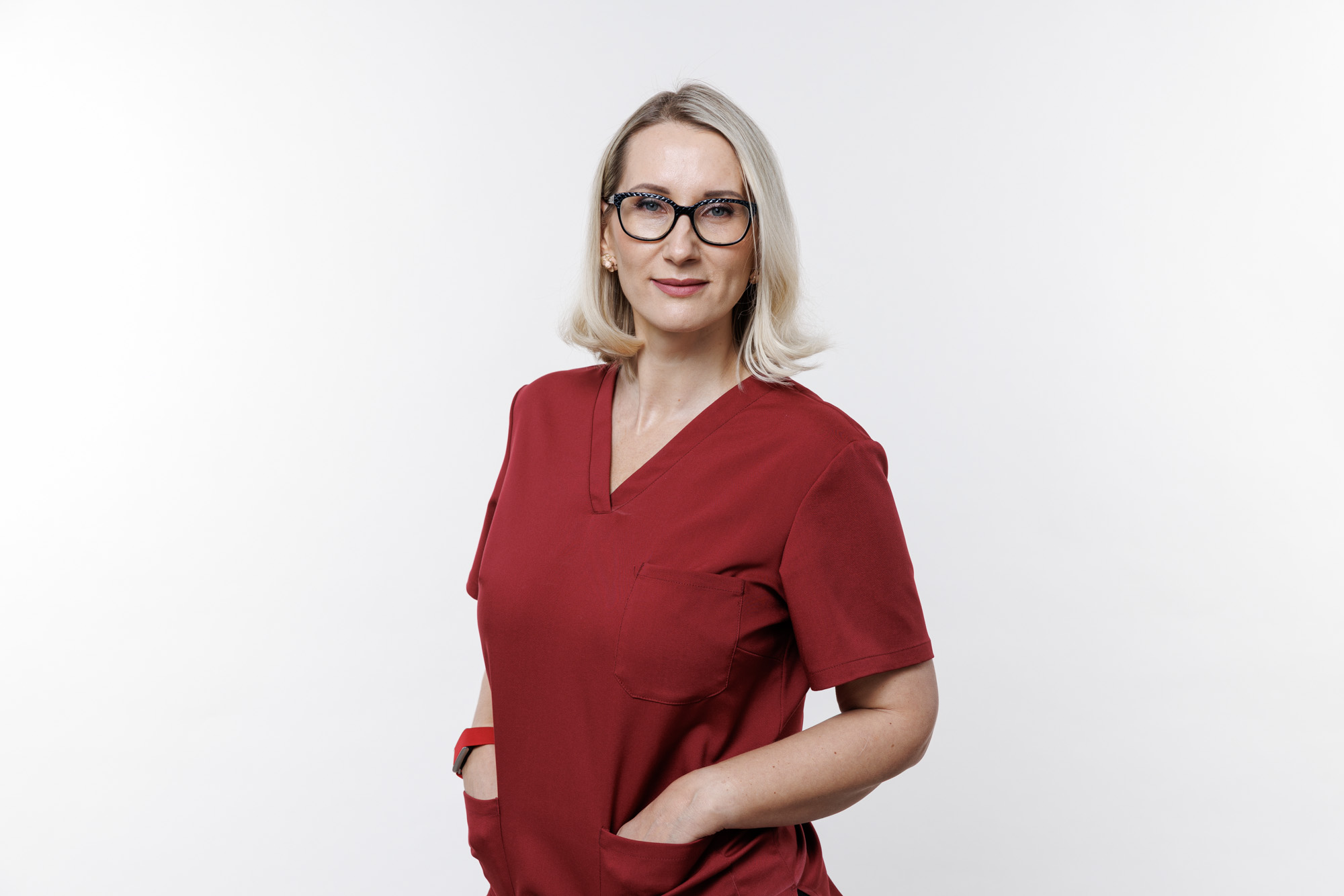
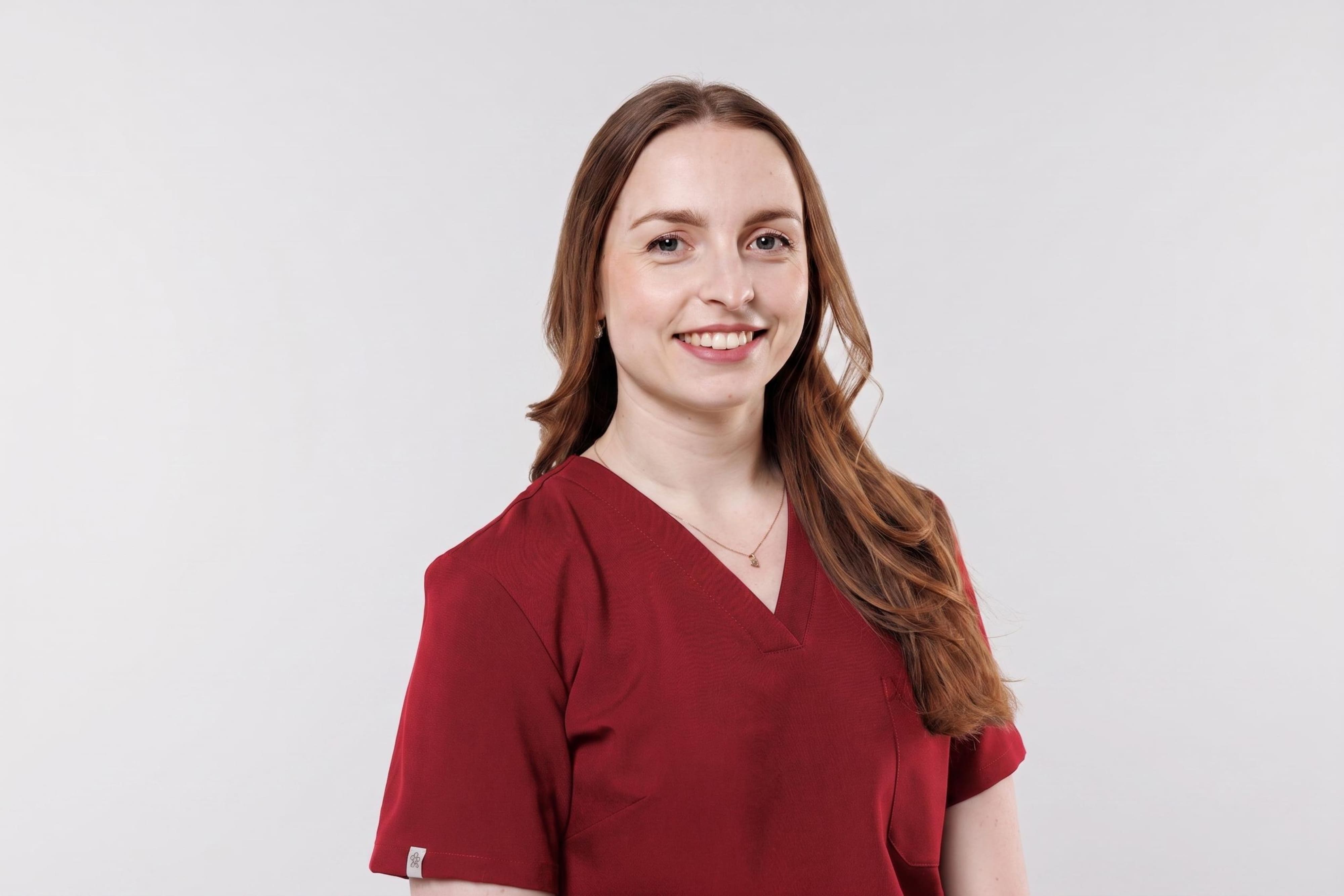
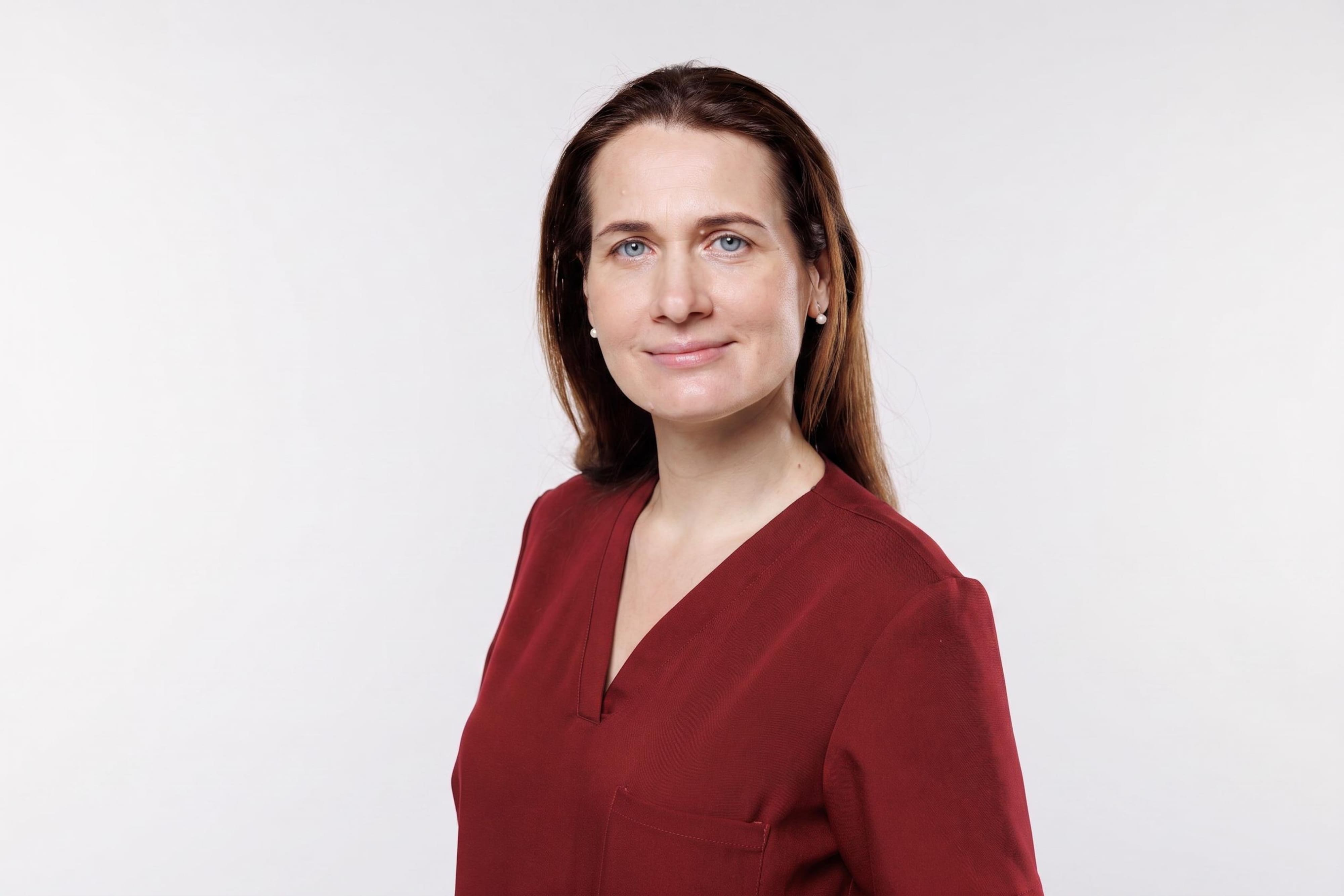
Specialists

Why choose us
We offer comprehensive digestive health care in one place and in a peaceful environment—from diagnosis to treatment and prevention.

The Best Experts in Digestive Health
We specialize specifically in the care of gastroenterology patients, combining our expertise in the stomach, liver, pancreas, intestines, and the microbiome.

Everything you need for gut health, all in one place
We provide a full range of diagnostic and treatment services under one roof—everything you need for your digestive health is available in one place.

A multidisciplinary team of specialists
We have gastroenterologists, hepatologists, endocrinologists, psychologists, nutritionists, neurologists, and other specialists who work together to provide a holistic approach to health.

A personalized approach for each patient
We will develop a personalized treatment plan that includes both medication and dietary and lifestyle changes.

We use state-of-the-art technology
You will receive accurate diagnosis and treatment based on the latest international guidelines and research, using state-of-the-art technology.

A calming and pleasant environment
The clinic offers a comfortable, peaceful, and welcoming environment that helps ease any anxiety you may feel before your examination. The thoughtfully designed interior, the professional attitude of our staff, and our compassionate communication will help you feel safe and supported.
Frequently asked questions
What are the clinic's hours of operation?
Where is the clinic located?
How do you get here?
Is free parking available for clinic patients?
Is the clinic accessible to people with disabilities?
How should I prepare for an endoscopy?
How should I prepare for a colonoscopy?