Lactulose breath test for oro-caecal transit time
The hydrogen-lactulose breath test is used to assess the rate at which food moves through the digestive tract from the mouth to the beginning of the large intestine (the caecum), as well as to detect possible bacterial overgrowth in the small intestine (SIBO).
Book an appointment
Information
How to prepare
The hydrogen-lactulose breath test is used to assess the rate at which food moves through the digestive tract from the mouth to the beginning of the large intestine (the caecum), as well as to detect possible bacterial overgrowth in the small intestine (SIBO).
During the test, the patient must drink a solution of lactulose – a special type of sugar that the human body cannot break down on its own. It reaches the large intestine, where bacteria ferment it, releasing gases – primarily hydrogen and methane. These gases enter the bloodstream and are then exhaled through the lungs. By measuring the levels of these gases in the breath at specific intervals, doctors can assess both the transit time of the intestines and whether there is an excessive amount of bacteria in the small intestine.
The test usually takes about 2–3 hours.
How to prepare for the test
Four weeks before the test:
- Do not take antibiotics.
Two weeks before the test:
- Do not take probiotics.
- Do not take laxatives, stool softeners, or stool bulking agents. You should also avoid any tests that require bowel preparation, such as a colonoscopy or barium enema.
Two to three days before the test:
- It is recommended to consume only the following foods and beverages: white bread, white rice, white potatoes, baked or grilled chicken or fish, water, and black coffee or tea without flavouring.
- Do not eat or drink anything else – this may lead to inaccurate test results.
- In particular, avoid beans, pasta, fibre-rich grains, and foods high in fibre.
The day before the test:
- Have an early dinner (at least 14 hours before the test) consisting of rice and grilled or baked chicken or fish.
- You should fast for 12 hours before the breath test begins. This means you must not eat or drink anything other than water.
- You may continue taking your usual prescription medications with water. Please bring all your prescription medicines with you to the appointment.
On the day of the test:
- You must not eat or drink anything in the morning.
- You may take your medications with a small amount of water. If you have diabetes treated with insulin or diabetes tablets, ask your doctor if you should adjust your morning dose.
- Brush your teeth before the test.
- Before or during the test, do not eat, drink, chew gum or tobacco, smoke cigarettes, or use breath fresheners or sweets.
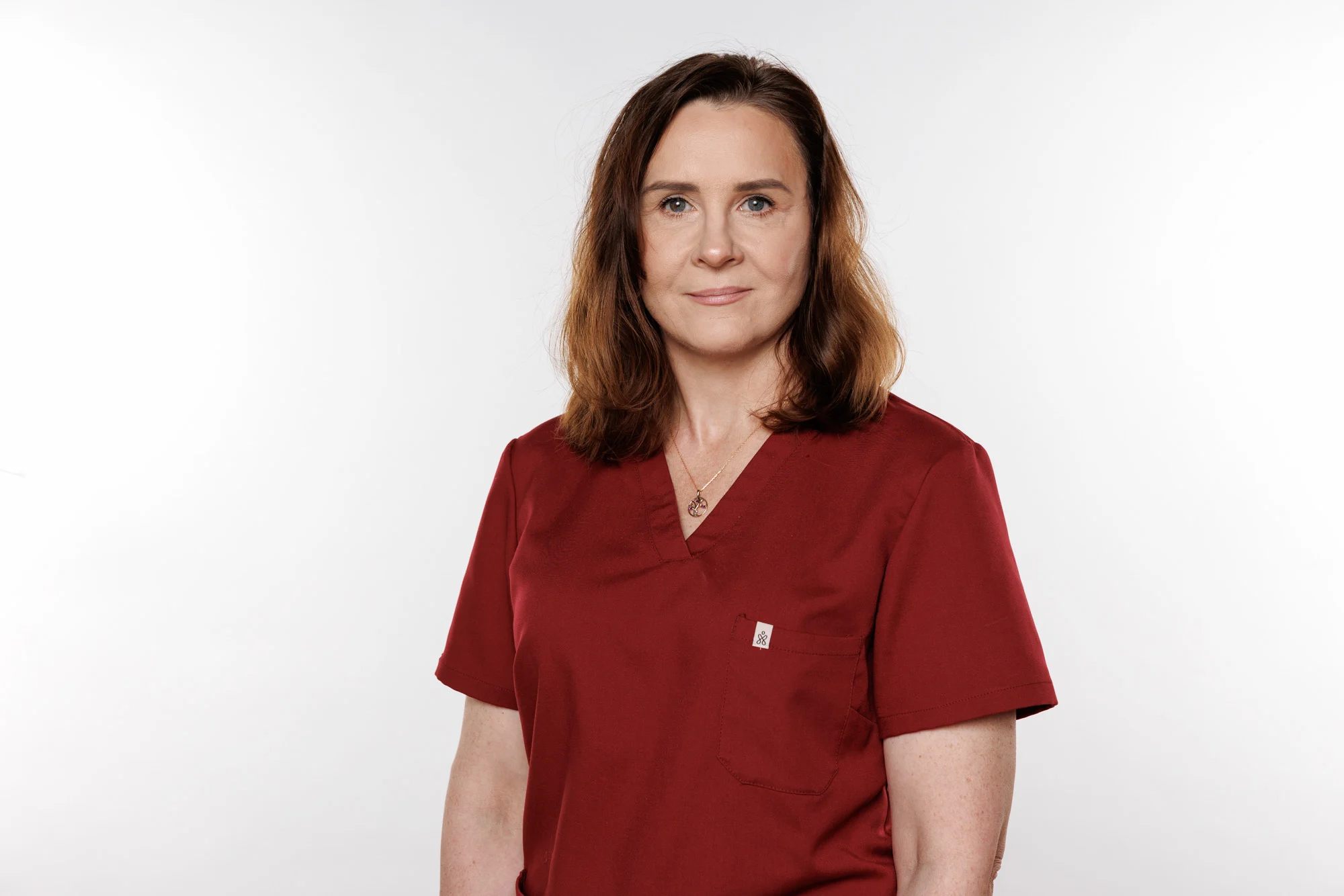
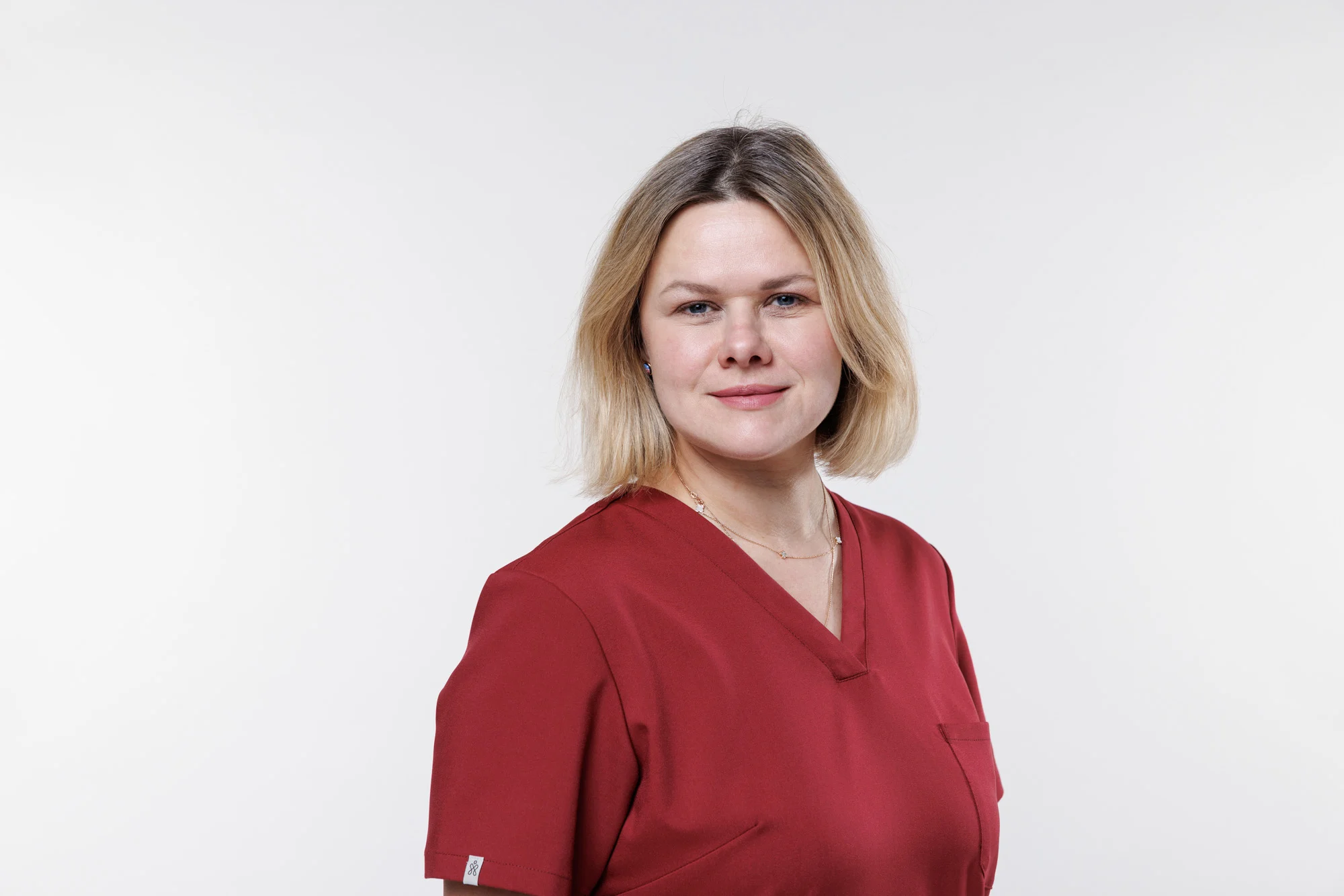
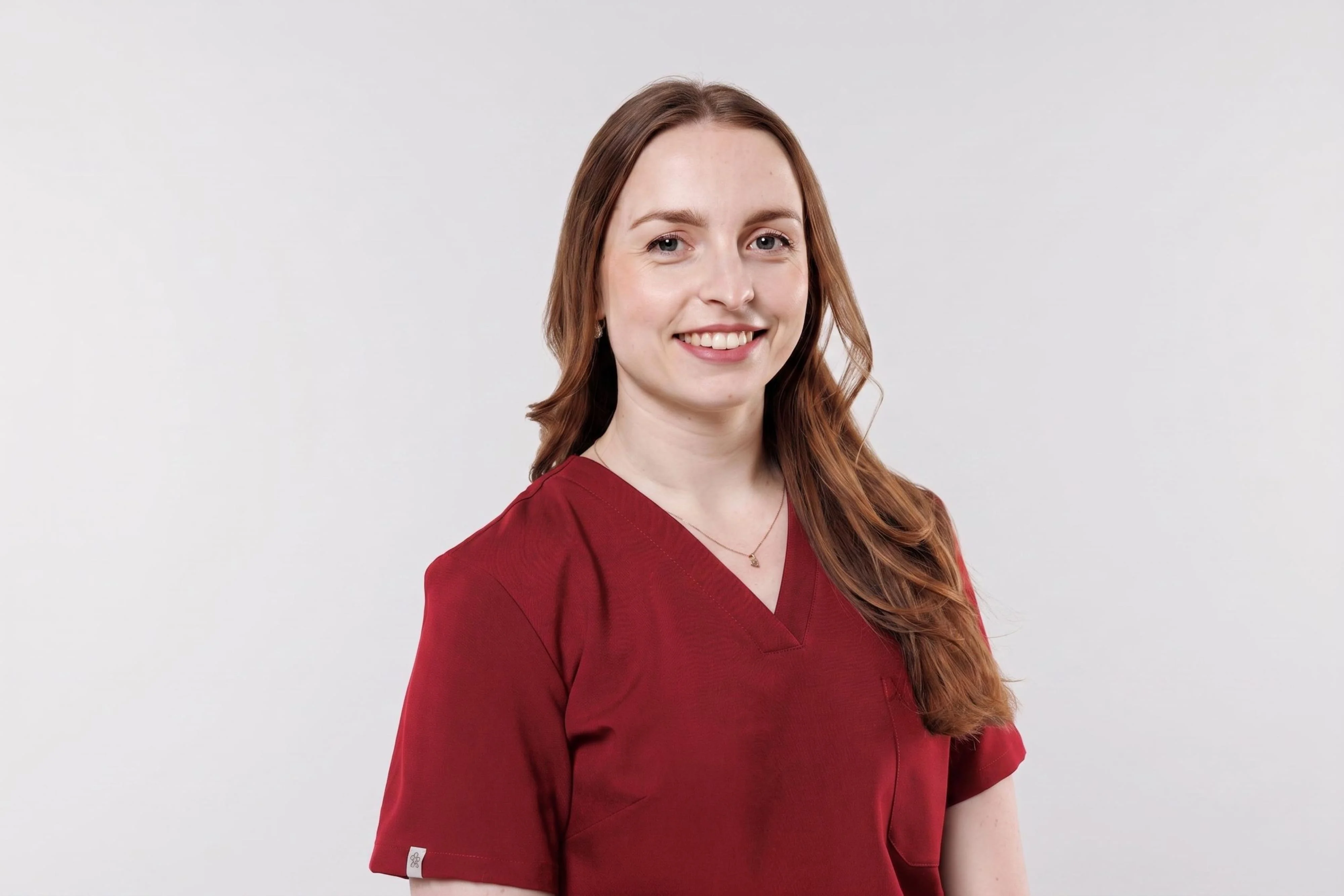
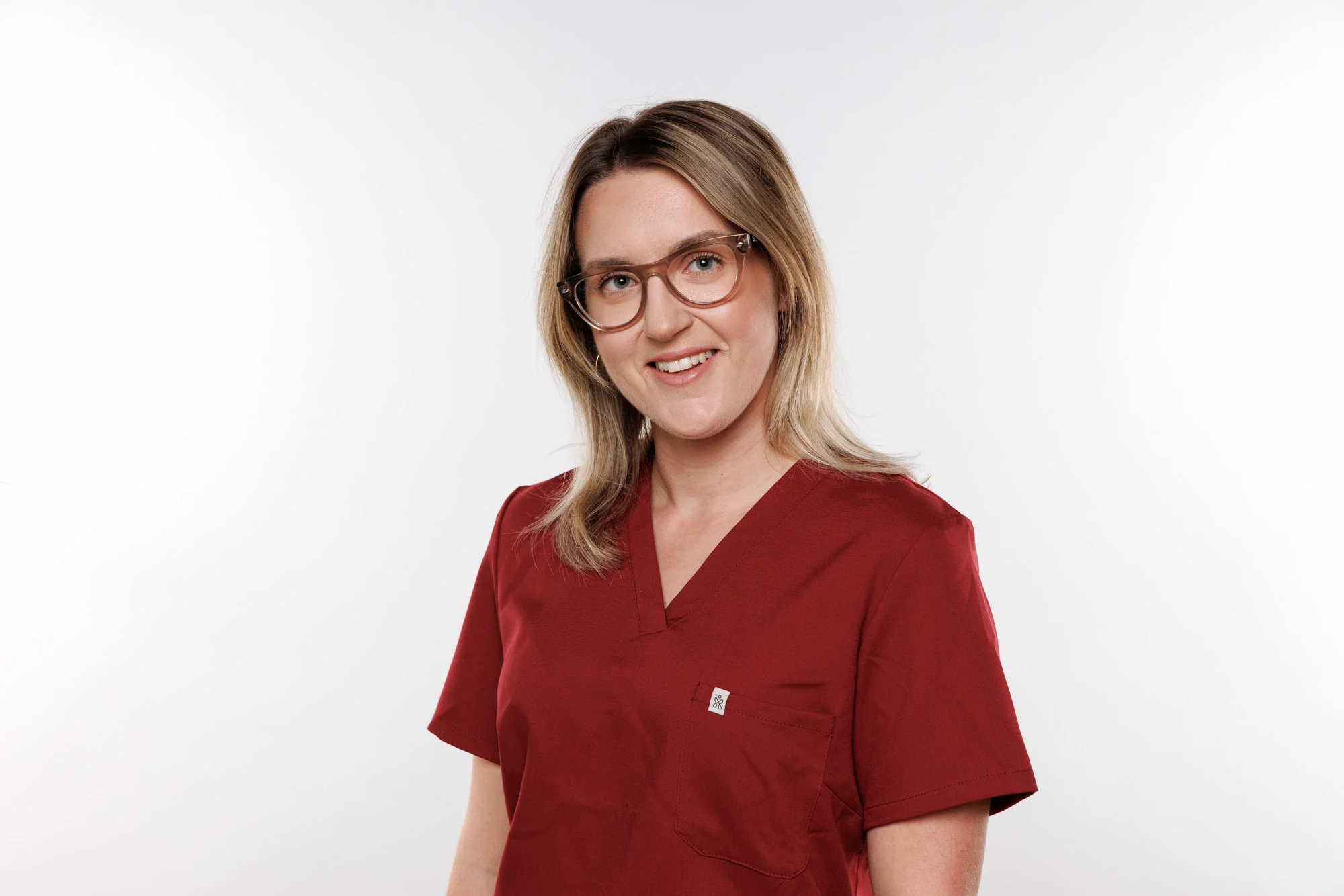
Specialists





Why choose us?
We offer comprehensive digestive health care in one place and in a peaceful environment – from diagnosis to treatment and prevention.

The best experts in digestive health
We specialise specifically in the care of gastroenterology patients, combining our expertise in the stomach, liver, pancreas, intestines, and the microbiome.

Everything you need for digestive health, in one place
We provide a full range of diagnostic and treatment services under one roof – everything you need for your digestive health is available in one place.

A multidisciplinary team of specialists
We have gastroenterologists, hepatologists, endocrinologists, psychologists, nutritionists, neurologists, and other specialists who work together to provide a holistic approach to health.

A personalised approach for each patient
We will develop a personalised treatment plan that includes both medication and dietary and lifestyle changes.

We use state-of-the-art technology
You will receive accurate diagnosis and treatment based on the latest international guidelines and research, using state-of-the-art technology.

A calming and pleasant environment
The clinic offers a comfortable, peaceful, and welcoming environment that helps ease any anxiety you may feel before your examination. The thoughtfully designed interior, the professional attitude of our staff, and our compassionate communication will help you feel safe and supported.
Frequently asked questions
What are the clinic’s opening hours?
Where is the clinic located?
How do I get to the clinic?
Is free parking available for clinic patients?
Is the clinic accessible to people with disabilities?
How should I prepare for an endoscopy?
How should I prepare for a colonoscopy?